

Fast-paced cities thrive on momentum. Streets are busy, calendars are full, and ambition often feels like the shared language spoken between strangers. Within these environments, resilience is admired, productivity is rewarded, and emotional struggle is quietly sidelined. One unspoken rule tends to dominate city life: keep moving, stay functional, and appear fine no matter what is happening internally.
This pressure to be “fine” can shape how emotions are expressed, suppressed, or ignored entirely. While cities offer opportunity and stimulation, they can also create conditions where emotional wellbeing is deprioritized in favor of performance and pace.
Why “Fine” Becomes the Default Response
In fast-moving urban settings, conversations are brief, and expectations are high. “How are you?” is often a courtesy rather than an invitation for honesty. Responding with “fine” becomes a social shortcut that maintains momentum and avoids disruption.
Over time, this default response can become internalized. Stress, sadness, or exhaustion may be minimized because acknowledging them feels inconvenient or indulgent. The underlying message is subtle but powerful: slowing down is a weakness, and emotional difficulty should be handled privately, if at all.
This mindset can make it difficult to recognize when support is genuinely needed.
Also Read: Kitchen Chimney Buying Guide: What to Look For
The Emotional Cost of Constant Composure
Maintaining a polished exterior requires effort. Continually presenting as capable and unbothered can lead to emotional disconnection and fatigue. Feelings that are not processed do not disappear; they accumulate.
In fast-paced cities, this often shows up as chronic stress, burnout, anxiety, or depression masked by routine and achievement. Long work hours, crowded commutes, and constant stimulation leave little space for reflection, making it harder to identify emotional strain until it becomes overwhelming.
The pressure to be fine can also create isolation. When vulnerability feels out of place, struggles remain hidden, reinforcing the belief that everyone else is coping better.
Productivity Culture and Emotional Suppression
Many cities celebrate hustle and endurance. Success is measured through output, speed, and visible progress. Emotional wellbeing, by contrast, is quieter and less visible, making it easier to overlook.
Within productivity-driven environments, rest is often framed as a reward rather than a necessity. Emotional processing is postponed in favor of deadlines and obligations. Over time, this imbalance can erode motivation, focus, and a sense of meaning.
Suppressing emotional needs may appear functional in the short term, but it often undermines long-term mental health and sustainability.
When “Fine” Masks Depression
Depression does not always present as obvious despair. In urban environments, it frequently hides behind routine, professionalism, and social engagement. A person can maintain responsibilities, meet expectations, and still feel deeply disconnected or numb.
The pressure to appear fine can delay recognition and support. Seeking help may feel like an admission of failure rather than a responsible step toward wellbeing. Accessing professional support, such as working with a depression therapist Miami, can provide space to explore these experiences without judgment and without the need to perform or explain them away.
Support allows emotions to be acknowledged rather than managed in silence.
Creating Space for Honesty in City Life
Challenging the pressure to be fine does not require withdrawing from city life entirely. It begins with allowing honesty in safe spaces and recognizing that emotional complexity is not incompatible with ambition or success.
This might involve slowing conversations down, setting boundaries around availability, or prioritizing moments of quiet in an otherwise busy schedule. It may also involve reframing support as maintenance rather than crisis intervention.
Mental wellbeing thrives when there is room for authenticity alongside achievement.
Also Read: Behind the Click: The Role of Images in High-Performing Ad Campaigns
Redefining Strength in Fast-Paced Environments
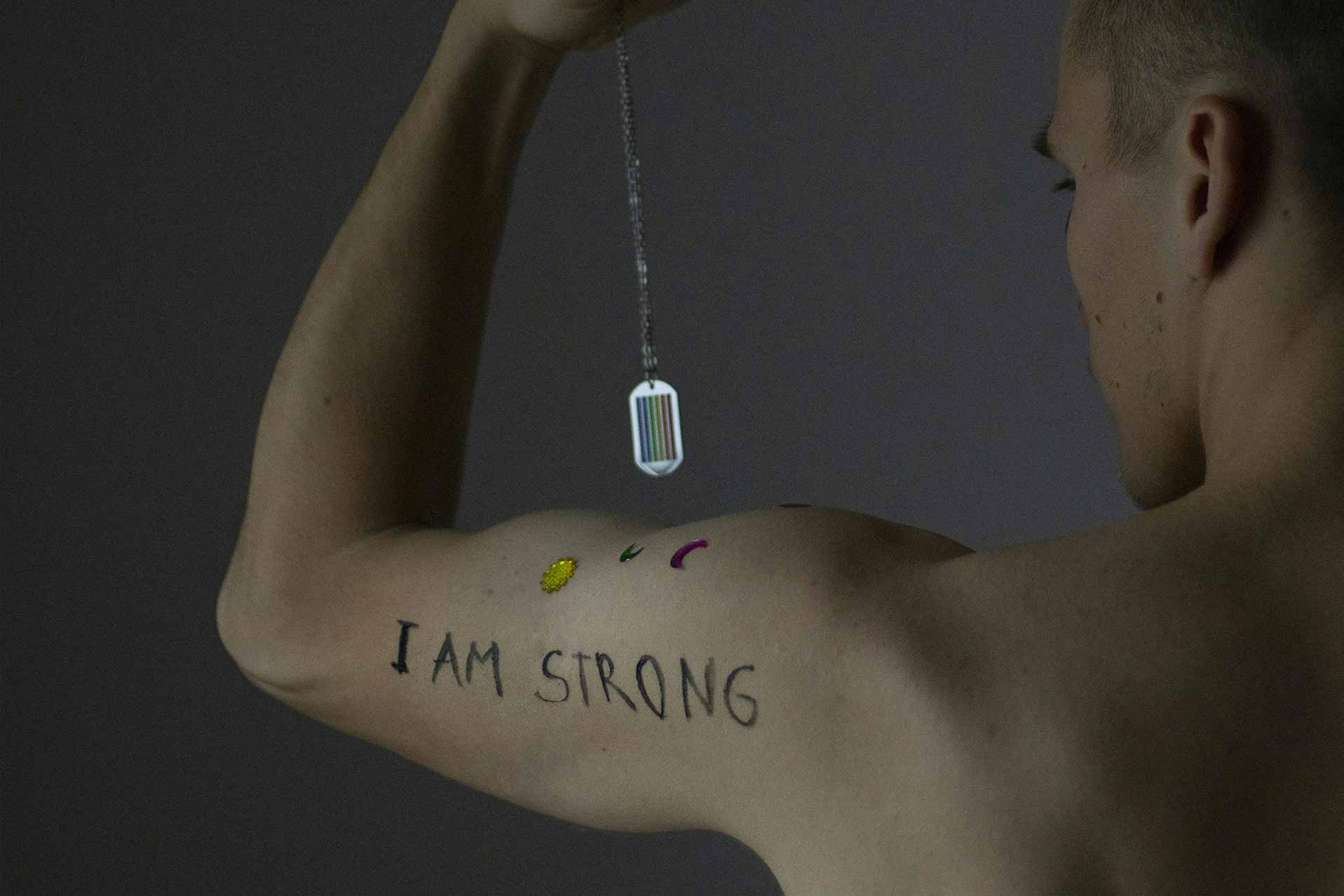
Strength in urban settings is often associated with endurance and independence. Yet emotional awareness, adaptability, and self-compassion are equally vital forms of strength. Acknowledging difficulty does not diminish capability; it enhances resilience.
Fast-paced cities will continue to move quickly. The challenge lies in choosing not to internalize the idea that constant composure is the only way to belong. Allowing space for emotional truth creates a more sustainable relationship with city life and with oneself.
Letting go of the need to always be “fine” is not about slowing ambition. It is about ensuring that progress does not come at the expense of mental health, connection, and long-term wellbeing.